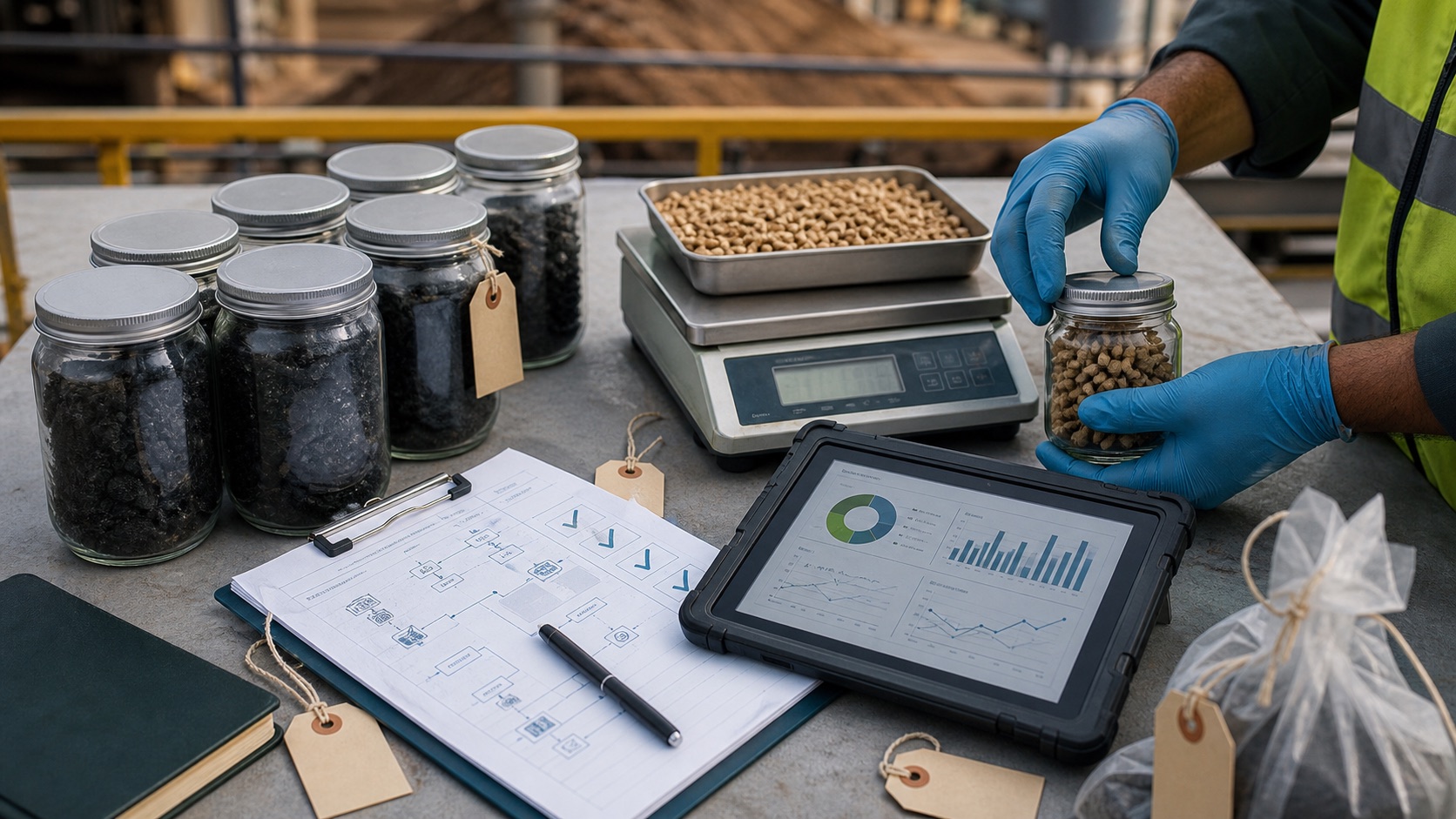
How we work
Good carbon projects start with hard questions.
We test the opportunity, make roles clear, and keep every claim tied to operating evidence. We would rather stop a weak idea early than sell certainty nobody can control.
Four rules we don't bend on.
Use the current rules
Important project decisions are checked against official, dated sources rather than market hearsay.
Spend in stages
Each project has clear decision points before either side commits more time or money.
Keep roles clear
The operator, CarbonPod, independent reviewers, registry, and buyer each keep their own responsibility.
Say only what is proven
We separate future targets from achieved results and never present a possible credit as an issued one.
Credibility is a daily practice.
We make the unknown visible, the next decision clear, and every claim traceable to the operation.
We will
- Show what is known and uncertain
- Use the current rules
- Prepare for independent scrutiny
- Tie records to the operation
- Match claims to proven results
We will not
- Call a facility ready without checking
- Promise credits, timing, buyers, or price
- Present our work as approval
- Hide risk in sales language
- Call a product a credit by itself
Five beats, expanded.
The same delivery model shown on the homepage, with the operational detail behind each beat.
Partner
Check the fit, agree the terms with the operator running the plant.
Build
Design the project, its evidence plan, and its safeguards.
Monitor
Establish monitoring and the evidence trail everything else stands on.
Verify
Coordinate independent review against the registry standard.
Finance
Unlock carbon finance to help the alternative keep growing.
- Check the fit. Study the raw material, operation, costs, data, and likely carbon value before major spending.
- Agree the partnership. Set clear responsibilities, economics, ownership, and decision points for both teams.
- Build the project. Create the project plan, climate case, operating records, safeguards, and measurement process.
- Complete the first review. Prepare the project for an independent specialist to assess before it begins issuing credits.
- Track real operations. Collect reliable records on raw material, production, energy use, product use, and emissions.
- Check the results. Help an independent specialist test the records and confirm the climate results for the period.
- Submit for issuance. Submit the independently confirmed results to the chosen carbon-credit registry for its issuance decision.
- Reach buyers. Prepare clear buyer information, support due diligence, and help structure a sale without promising price.
A decision your team can act on.
A first assessment should make the next commitment clearer. It should not bury the decision in technical language or imply that approval is guaranteed.
- Project pathwayDefined against a current methodology
- Operating evidenceCore records available; two gaps to close
- Commercial caseRequires agreed downside assumptions
- Next decisionConfirm data access and development terms
Quality before volume
See what this looks like for your operation.
Bring us the raw material, the plant, and what you already track. We'll tell you honestly whether a project makes sense.